

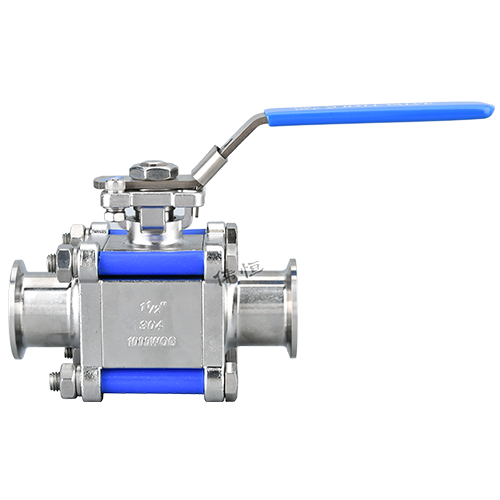
Industrial-Grade Valves for Compressed Air Networks
Introduction
Compressed air networks are essential in various industrial applications, including manufacturing, automotive, food processing, and chemical industries. These systems rely on high-quality valves to regulate airflow, maintain pressure, and ensure efficient operation. Industrial-grade valves play a crucial role in optimizing performance, reducing energy consumption, and preventing system failures. This article explores the types, functions, selection criteria, and maintenance of industrial-grade valves used in compressed air networks.
Types of Valves in Compressed Air Systems
Several types of valves are used in compressed air networks, each serving a specific purpose:
1. Ball Valves
Ball valves are widely used due to their durability and quick shut-off capability. They consist of a rotating ball with a bore that allows or blocks airflow.
- Advantages:
- Low pressure drop
- High flow capacity
- Reliable sealing
- Applications:
- Mainline shut-off
- Branch isolation
2. Butterfly Valves
Butterfly valves use a rotating disc to control airflow. They are lightweight and cost-effective.
- Advantages:
- Compact design
- Fast operation
- Suitable for large pipelines
- Applications:
- Flow regulation in large-diameter pipes
3. Diaphragm Valves
Diaphragm valves use a flexible membrane to control flow, preventing contamination.
- Advantages:
- Leak-proof
- Corrosion-resistant
- Ideal for clean air applications
- Applications:
- Pharmaceutical and food industries
4. Solenoid Valves
Solenoid valves are electrically operated, allowing remote control of airflow.
- Advantages:
- Fast response time
- Automation compatibility
- Applications:
- Pneumatic control systems
5. Check Valves
Check valves allow airflow in one direction, preventing backflow.
- Advantages:
- Prevents pressure loss
- Protects compressors
- Applications:
- Compressor discharge lines
6. Pressure Relief Valves
These valves release excess pressure to prevent system damage.
- Advantages:
- Safety-critical function
- Prevents overpressure conditions
- Applications:
- Air receiver tanks
Key Functions of Valves in Compressed Air Networks
Valves perform several critical functions in compressed air systems:
1. Flow Control
Valves regulate airflow to maintain optimal pressure and prevent energy waste.
2. Pressure Regulation
Pressure-reducing valves ensure consistent pressure levels for downstream equipment.
3. System Isolation
Shut-off valves allow maintenance without depressurizing the entire system.
4. Safety Protection
Relief valves prevent catastrophic failures by releasing excess pressure.
5. Directional Control
Check and directional valves ensure proper airflow direction.
Selection Criteria for Industrial-Grade Valves
Choosing the right valve is crucial for system efficiency and longevity. Key factors include:
1. Material Compatibility
- Brass: Corrosion-resistant, suitable for general applications.
- Stainless Steel: High durability for harsh environments.
- Plastic (PVC, PTFE): Lightweight, chemical-resistant.
2. Pressure Rating
Valves must withstand maximum system pressure to prevent failure.
3. Temperature Range
High-temperature applications require heat-resistant materials.
4. Flow Capacity
Valves should match the required flow rate without excessive pressure drop.
5. Actuation Method
- Manual: Simple, cost-effective.
- Pneumatic: Automated, high-speed operation.
- Electric: Remote control, precise regulation.
6. Sealing Mechanism
- Soft Seals (EPDM, NBR): Good for low-pressure applications.
- Metal Seals: High-pressure, high-temperature resistance.
Installation and Maintenance Best Practices
Proper installation and maintenance ensure valve longevity and system efficiency.
1. Installation Guidelines
- Ensure proper alignment to avoid stress on pipes.
- Use appropriate gaskets and seals to prevent leaks.
- Follow torque specifications to avoid over-tightening.
2. Routine Maintenance
- Inspection: Check for leaks, corrosion, and wear.
- Lubrication: Apply suitable lubricants to moving parts.
- Cleaning: Remove debris to prevent clogging.
3. Troubleshooting Common Issues
- Leakage: Replace worn seals or tighten connections.
- Sticking Valve: Clean or replace damaged components.
- Excessive Noise: Check for cavitation or improper sizing.
Energy Efficiency and Valve Optimization
Optimizing valve selection and operation reduces energy consumption:
- Use Low-Friction Valves: Minimize pressure drop.
- Implement Automated Controls: Reduce manual adjustments.
- Regularly Monitor Performance: Detect inefficiencies early.
Conclusion
Industrial-grade valves are critical for the efficient and safe operation of compressed air networks. Selecting the right valve type, material, and actuation method ensures optimal performance, energy savings, and system longevity. Proper installation, maintenance, and troubleshooting further enhance reliability. By understanding the role of valves in compressed air systems, industries can improve productivity and reduce operational costs.
Investing in high-quality industrial-grade valves is essential for maintaining a robust and efficient compressed air network.
هاتف: +86 577 8699 9257
هاتف: +86 135 8786 5766 /+86 137 32079372
البريد الإلكتروني: wzweiheng@163.com
العنوان: لا. 1633، طريق ييداوبا، مجمع بينهاي الصناعي، مدينة ونتشو، مقاطعة تشجيانغ

مسح ويشات
حقوق الطبع والنشر © 2025 شركة Zhejiang Weiheng Fluid Equipment Co., Ltd جميع الحقوق محفوظة.
يستخدم هذا الموقع ملفات تعريف الارتباط لضمان حصولك على أفضل تجربة على موقعنا.
 English
 Español
 Portugues
 Pусский
 Français
 Deutsch
 한국어
한국어 Italiano
 ไทย
ไทย Türk dili
 हिन्दी
 Melayu
 Tiếng Việt
 dansk
dansk қазақ
қазақ বাংলা
বাংলা українська
 Filipino
 o'zbek



 هاتف
هاتف
تعليق
(0)