

How to Select Industrial-Grade Valves for Chemical Processing
Customer Feedback | Product Performance | Maintenance Procedures | Cleaning Methods
Industrial-grade valves play a critical role in chemical processing systems, providing reliable control of highly corrosive and high-pressure fluids. Selecting the right valve ensures operational efficiency, safety, and compliance with industry standards. This guide provides a detailed overview of customer insights, valve performance metrics, maintenance workflows, and cleaning practices, helping engineers and procurement teams make informed decisions for chemical plants.
Chemical processing requires valves capable of withstanding extreme conditions, including:
Corrosive Chemicals – acids, alkalis, solvents
High Temperatures – steam and heated fluids
High Pressure – pipelines and reactors
Precise Flow Control – dosing, mixing, and batch processing
Industrial-grade valves commonly used in chemical plants include ball valves, gate valves, globe valves, butterfly valves, and check valves. Choosing the correct type, material, and seal system is essential for durability and process safety.
Material Selection Considerations:
Stainless Steel (304, 316L): corrosion resistance for most chemicals
Hastelloy / Monel / Alloy 20: extreme chemical resistance
PTFE-lined or coated valves: ideal for highly corrosive or abrasive fluids
Understanding real-world performance and operational challenges helps improve valve selection and reliability.
| Feature | Customer Comment | Benefit |
|---|---|---|
| Durability | “Valves operate flawlessly under acidic conditions for years” | Long service life, reduced replacements |
| Precision | “Flow regulation is highly accurate for dosing chemicals” | Consistent product quality |
| Material Quality | “No corrosion after continuous chemical exposure” | Safety and regulatory compliance |
| Ease of Maintenance | “Valve disassembly and cleaning are straightforward” | Reduced downtime and labor costs |
Training on Installation: Customers highlighted the need for proper guidance to install valves in complex chemical systems.
Spare Parts Availability: Rapid access to gaskets, seals, and actuator components is essential for high-pressure systems.
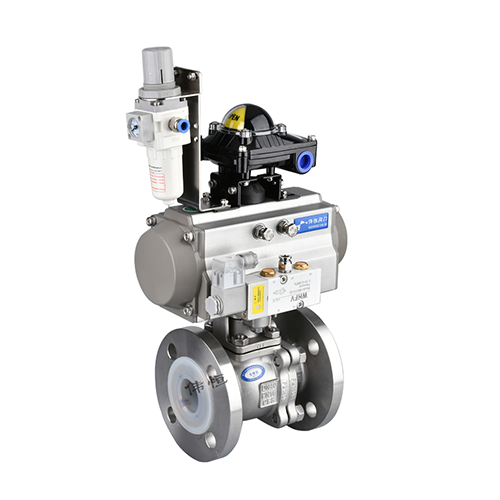
Choosing valves with optimal performance characteristics ensures safe and efficient chemical processing.
| Valve Type | Max Pressure | Max Temperature | Suitable Applications |
|---|---|---|---|
| Ball Valve | 1000 psi | 400°C | Dosing, shut-off, corrosive liquids |
| Globe Valve | 800 psi | 450°C | Flow control, throttling |
| Gate Valve | 1200 psi | 350°C | Full-flow isolation in pipelines |
| Butterfly Valve | 600 psi | 300°C | Large diameter pipelines, low-pressure systems |
| Check Valve | 900 psi | 400°C | Preventing backflow in high-pressure lines |
PTFE Gaskets: Chemical-resistant, suitable for aggressive fluids
Metal Seals: High-pressure applications with steam or corrosive fluids
EPDM / Viton: Compatible with select acids, alkalis, and solvents
Automation-ready valves improve consistency and reduce human error
Valves with anti-cavitation or anti-throttling features extend service life
Smooth operation under fluctuating pressure prevents mechanical stress
Routine maintenance ensures safe operation and prolongs valve lifespan in chemical plants.
Visual inspection for corrosion, leaks, or mechanical damage
Monitor actuator performance and valve alignment
Check pressure and flow performance against design specifications
System Isolation: Shut down and depressurize the pipeline section
Disassembly: Remove valve body, stem, actuator, and seals carefully
Cleaning: Remove deposits, scale, or chemical residues
Inspection: Examine seating surfaces, stems, and gaskets for wear or damage
Replacement: Install new gaskets, seals, or worn components as needed
Reassembly and Testing: Reinstall, tighten, and conduct hydrostatic or pneumatic testing
Documentation: Record all maintenance actions for regulatory compliance
Isolate the affected valve immediately to prevent leakage or process disruption
Use a bypass line if required to maintain flow
Replace critical components with certified spare parts
Conduct post-repair testing before returning to full operation
Proper cleaning is essential to prevent contamination, corrosion, and degradation.
Use neutralizing agents compatible with process chemicals
Avoid abrasive chemicals that may damage valve surfaces or seals
Rinse thoroughly with water to remove residues
Manual brushing or flushing to remove scale or particulate buildup
Use soft brushes to avoid scratching polished surfaces
Ultrasonic cleaning for smaller valve components
Automated cleaning without disassembly for pipelines and connected valves
Typically involves a series of rinsing, sanitizing, and drying cycles
Compatible with PTFE-lined or stainless steel valves
Daily for valves in high-contamination processes
Weekly for standard chemical pipelines
Monthly inspection and deep cleaning for critical valves
Correct installation maximizes performance and longevity of industrial-grade valves.
Verify valve specifications against system requirements (pressure, temperature, chemical compatibility)
Inspect for shipping damage or debris
Ensure alignment with piping flanges, actuators, and support brackets
Align valve body with pipeline connections
Insert appropriate gaskets or seals
Tighten bolts evenly to recommended torque values
Verify actuator alignment and control wiring
Conduct hydrostatic or pneumatic testing to confirm leak-free installation
Pressure testing at 1.5x working pressure
Flow control and shut-off function verification
Automation and feedback system testing for control valves
| Issue | Cause | Recommended Solution |
|---|---|---|
| Leakage | Worn gasket, misalignment | Replace gasket, realign valve, retest |
| Sticking Operation | Corrosion, debris, actuator malfunction | Clean internals, service actuator, lubricate |
| Pressure Drop | Partial blockage, damaged seat | Clean or replace seat, inspect pipeline |
| Valve Vibration | Flow turbulence, improper installation | Realign, install support brackets |
| Stem Leakage | Packing wear | Replace packing, upgrade seal system |
Preventive Measures:
Conduct regular inspections
Schedule preventive maintenance
Keep a supply of certified spare parts
Train staff on proper valve handling and cleaning
Client: Medium-scale chemical production facility handling corrosive acids
Objective: Improve safety and reliability while reducing downtime
Solution: Installed stainless steel ball and globe valves with PTFE seals and automated actuators
Outcome:
Leak-free operation under high pressure and corrosive conditions
Reduced manual intervention by 40% with automation
Extended service life of valves by 2 years
Improved compliance with safety and regulatory standards
This case demonstrates the importance of selecting high-quality industrial-grade valves and implementing proper maintenance and cleaning procedures.
Selecting industrial-grade valves for chemical processing is critical for safety, efficiency, and reliability. By considering customer feedback, product performance, maintenance workflows, and proper cleaning methods, chemical plant operators can optimize system performance, reduce downtime, and maintain compliance with industry standards.
هاتف: +86 577 8699 9257
هاتف: +86 135 8786 5766 /+86 137 32079372
البريد الإلكتروني: wzweiheng@163.com
العنوان: لا. 1633، طريق ييداوبا، مجمع بينهاي الصناعي، مدينة ونتشو، مقاطعة تشجيانغ

مسح ويشات
حقوق الطبع والنشر © 2025 شركة Zhejiang Weiheng Fluid Equipment Co., Ltd جميع الحقوق محفوظة.
يستخدم هذا الموقع ملفات تعريف الارتباط لضمان حصولك على أفضل تجربة على موقعنا.
 English
 Español
 Portugues
 Pусский
 Français
 Deutsch
 한국어
한국어 Italiano
 ไทย
ไทย Türk dili
 हिन्दी
 Melayu
 Tiếng Việt
 dansk
dansk қазақ
қазақ বাংলা
বাংলা українська
 Filipino
 o'zbek



 هاتف
هاتف
تعليق
(0)