

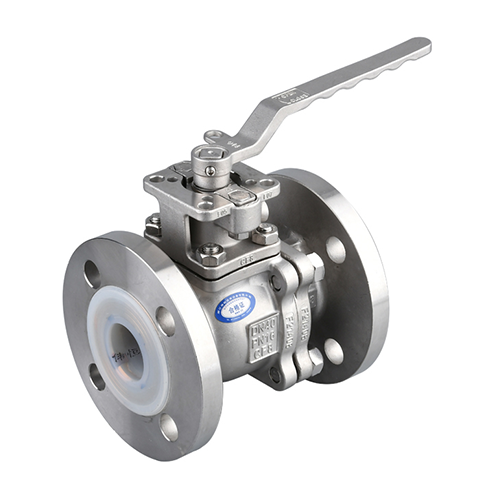
Fluorine-Lined Valves for Large Industrial Facilities
Introduction
Fluorine-lined valves are critical components in large industrial facilities, particularly in industries that handle highly corrosive and aggressive chemicals. These valves are designed with a lining made from fluoropolymer materials, such as polytetrafluoroethylene (PTFE), perfluoroalkoxy (PFA), or fluorinated ethylene propylene (FEP), which provide exceptional resistance to corrosion, high temperatures, and chemical attack.
In large-scale industrial operations, such as chemical processing, petrochemical refining, pharmaceutical manufacturing, and wastewater treatment, the reliability and durability of valves are paramount. Fluorine-lined valves ensure safe and efficient fluid control, minimizing downtime and maintenance costs. This article explores the key features, applications, advantages, and selection criteria for fluorine-lined valves in large industrial facilities.
Key Features of Fluorine-Lined Valves
1. Corrosion Resistance
Fluoropolymers are inherently resistant to a wide range of aggressive chemicals, including strong acids, alkalis, solvents, and oxidizing agents. This makes fluorine-lined valves ideal for environments where conventional metal valves would rapidly degrade.
2. High Temperature Tolerance
Fluorine-lined valves can withstand elevated temperatures, typically up to 200°C (392°F), depending on the specific fluoropolymer used. This makes them suitable for high-temperature processes in industries such as oil refining and chemical manufacturing.
3. Non-Stick Properties
Fluoropolymers have a low coefficient of friction, preventing the buildup of deposits and ensuring smooth operation. This is particularly beneficial in applications involving viscous or slurry-like fluids.
4. Excellent Sealing Performance
The flexibility and conformability of fluoropolymer linings ensure tight sealing, reducing the risk of leaks—a critical factor in hazardous chemical handling.
5. Long Service Life
Due to their resistance to chemical attack and wear, fluorine-lined valves have a significantly longer lifespan compared to unlined metal valves, reducing replacement frequency and operational costs.
Applications in Large Industrial Facilities
1. Chemical Processing Plants
Fluorine-lined valves are extensively used in chemical plants where corrosive acids (e.g., sulfuric acid, hydrochloric acid) and caustic solutions are transported. Their resistance to chemical degradation ensures safe and reliable operation.
2. Petrochemical and Oil Refining
In refineries, fluorine-lined valves handle aggressive hydrocarbons, sulfur compounds, and other corrosive byproducts. Their ability to resist both chemical attack and high temperatures makes them indispensable in this sector.
3. Pharmaceutical and Biotechnology
In pharmaceutical manufacturing, maintaining purity and preventing contamination are crucial. Fluorine-lined valves prevent leaching of metal ions and ensure compliance with stringent hygiene standards.
4. Wastewater and Effluent Treatment
Industrial wastewater often contains corrosive chemicals and abrasive particles. Fluorine-lined valves provide reliable performance in such harsh environments, reducing maintenance requirements.
5. Power Generation
In power plants, particularly those using flue gas desulfurization (FGD) systems, fluorine-lined valves resist sulfuric acid and other aggressive byproducts, ensuring uninterrupted operation.
Advantages Over Conventional Valves
1. Superior Chemical Resistance
Unlike stainless steel or other metal valves, fluorine-lined valves do not corrode when exposed to aggressive media, eliminating the risk of contamination and valve failure.
2. Reduced Maintenance Costs
The non-reactive nature of fluoropolymers minimizes wear and tear, leading to fewer shutdowns for repairs or replacements.
3. Enhanced Safety
Leakage of hazardous chemicals can pose serious safety risks. Fluorine-lined valves provide superior sealing, reducing the likelihood of dangerous spills.
4. Versatility
These valves can be used in a wide range of applications, from low-pressure systems to high-pressure, high-temperature processes, making them a versatile choice for industrial facilities.
5. Compliance with Industry Standards
Fluorine-lined valves meet stringent industry standards for corrosion resistance, pressure handling, and leak prevention, ensuring regulatory compliance.
Selection Criteria for Fluorine-Lined Valves
When choosing fluorine-lined valves for large industrial facilities, several factors must be considered:
1. Fluid Compatibility
The valve lining material must be compatible with the specific chemicals being handled. PTFE, PFA, and FEP each have different chemical resistance profiles.
2. Temperature and Pressure Requirements
The operating temperature and pressure conditions must align with the valve’s specifications to ensure optimal performance.
3. Valve Type
Different valve types (e.g., ball valves, butterfly valves, diaphragm valves) are suited for different applications. The choice depends on flow control requirements and system design.
4. Sealing Mechanism
The valve should provide a reliable seal to prevent leaks, especially in hazardous environments.
5. Installation and Maintenance Considerations
Ease of installation, accessibility for maintenance, and compatibility with existing piping systems should be evaluated.
6. Regulatory and Safety Standards
The valve must comply with industry-specific regulations, such as ASME, API, or ISO standards, to ensure safe operation.
Challenges and Limitations
Despite their advantages, fluorine-lined valves have some limitations:
1. Mechanical Strength
Fluoropolymer linings are not as mechanically robust as metal valves, making them susceptible to damage from excessive torque or impact.
2. Cost Considerations
Fluorine-lined valves are more expensive than standard metal valves, though their long-term durability often justifies the initial investment.
3. Limited Abrasion Resistance
While highly chemical-resistant, fluoropolymers can wear out in highly abrasive slurry applications unless reinforced.
4. Thermal Expansion
Fluoropolymers expand at different rates than metal bodies, which can affect sealing performance under extreme temperature fluctuations.
Future Trends in Fluorine-Lined Valve Technology
1. Advanced Composite Linings
Research is ongoing into hybrid linings that combine fluoropolymers with reinforcing materials to enhance mechanical strength and abrasion resistance.
2. Smart Valve Integration
The incorporation of IoT-enabled sensors for real-time monitoring of valve performance, leakage detection, and predictive maintenance is gaining traction.
3. Sustainable Materials
Efforts are being made to develop eco-friendly fluoropolymer alternatives that maintain performance while reducing environmental impact.
4. Improved Manufacturing Techniques
Advanced molding and lining processes are being developed to enhance the uniformity and durability of fluoropolymer coatings.
Conclusion
Fluorine-lined valves play a vital role in ensuring the safe and efficient operation of large industrial facilities handling corrosive and aggressive fluids. Their superior chemical resistance, high-temperature tolerance, and long service life make them indispensable in industries such as chemical processing, petrochemical refining, and wastewater treatment.
While they come with a higher initial cost, their durability and reduced maintenance requirements provide significant long-term savings. By carefully selecting the appropriate valve type, lining material, and design specifications, industrial operators can maximize performance and safety.
As technology advances, innovations in materials and smart monitoring systems will further enhance the capabilities of fluorine-lined valves, ensuring their continued relevance in demanding industrial environments.
---
This article provides a comprehensive overview of fluorine-lined valves, covering their features, applications, advantages, and selection criteria. If you need additional details on specific aspects, such as case studies or technical comparisons, further elaboration can be provided.
هاتف: +86 577 8699 9257
هاتف: +86 135 8786 5766 /+86 137 32079372
البريد الإلكتروني: wzweiheng@163.com
العنوان: لا. 1633، طريق ييداوبا، مجمع بينهاي الصناعي، مدينة ونتشو، مقاطعة تشجيانغ

مسح ويشات
حقوق الطبع والنشر © 2025 شركة Zhejiang Weiheng Fluid Equipment Co., Ltd جميع الحقوق محفوظة.
يستخدم هذا الموقع ملفات تعريف الارتباط لضمان حصولك على أفضل تجربة على موقعنا.
 English
 Español
 Portugues
 Pусский
 Français
 Deutsch
 한국어
한국어 Italiano
 ไทย
ไทย Türk dili
 हिन्दी
 Melayu
 Tiếng Việt
 dansk
dansk қазақ
қазақ বাংলা
বাংলা українська
 Filipino
 o'zbek



 هاتف
هاتف
تعليق
(0)